
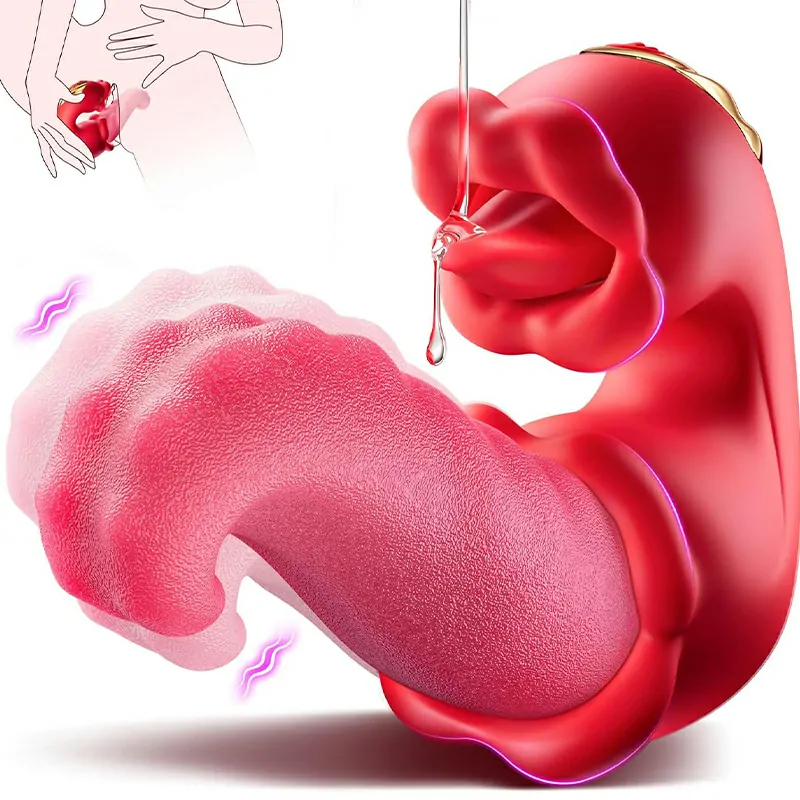
Standard vibrating motors have quietly hit a ceiling — and millions of people have felt it, literally. Traditional bullet and wand-style devices deliver repetitive, monotone oscillation that often leads to desensitization, leaving users chasing intensity rather than pleasure.
Haptic Mimicry — the use of advanced mechanical or electronic feedback systems to replicate the nuanced pressure, rhythm, and texture of human touch — is redefining what intimate technology can actually feel like.
Traditional vibration dominated adult wellness for decades, but its core limitation is structural. A single rotating motor produces one fixed sensation: constant buzz. Over time, nerve endings adapt, requiring higher speeds just to register stimulation. This cycle of escalating intensity is the opposite of what effective sensory stimulation techniques are designed to achieve — building arousal gradually through varied, responsive touch.
Haptic technology breaks that cycle entirely. Rather than simple oscillation, haptic systems generate layered, programmable feedback that mimics the dynamic quality of organic movement. According to the International Society for Sexual Medicine, tongue vibrators specifically utilize rapid-fire flapping mechanisms to replicate the texture and pressure of human muscle movement — a meaningful departure from anything a spinning motor can produce. Researchers exploring wearable multisensory haptic systems confirm that simulating soft-tissue contact requires precisely this kind of nuanced, multi-axis force feedback.
Biological mimicry is the principle that ties it all together. Modern tongue-style devices aren’t simply vibrating faster — they’re engineered to move like something alive. The flexible, broad-surface applicator combined with wave-pattern haptic output produces a sensation the body recognizes as familiar rather than mechanical. Explore how these designs work in practice to understand why the difference is immediately perceptible.
The implications go well beyond novelty. As haptic engineering matures, the gap between technology and human touch continues to narrow — and that shift matters most for clitoral anatomy, where surface contact and rhythm drive everything.
Bridging the Orgasm Gap with Targeted Clitoral Focus
Anatomy and data together make a compelling case: the clitoris isn’t an afterthought — it’s the center of the conversation. Research published in The Journal of Sex & Marital Therapy found that over 50% of women require direct clitoral stimulation to achieve orgasm, yet the majority of traditional intimate products were designed around internal sensation. That disconnect isn’t a preference gap — it’s a physiological one.
The anatomy demands external contact. The clitoris extends well beyond what’s visible, but its most nerve-dense, stimulus-responsive tissue sits at the surface. Broad, consistent contact with that soft tissue does more for arousal than a concentrated point of pressure alone. This is precisely where a well-designed tongue vibrator outpaces conventional options — not through raw intensity, but through surface coverage and the quality of touch delivered.
Pinpoint Vibration vs. Broad Lapping: A Quick Comparison
| Pinpoint Vibration | Broad Lapping / Tongue-Style Contact |
|---|---|
| Concentrated, localized buzz | Wide-surface, distributed stimulation |
| High intensity in a small area | Even pressure across nerve-rich tissue |
| Can cause desensitization with prolonged use | Mimics natural soft-tissue motion |
| Limited rhythmic variation | Capable of fluid, wave-like patterns |
The orgasm gap — the well-documented disparity in sexual satisfaction between partners during partnered sex — has multiple causes, but inadequate clitoral attention is consistently cited among them. Technology doesn’t replace intimacy, but it does offer a reliable, anatomy-informed bridge for solo and partnered experiences alike.
Soft-tissue contact matters because the clitoris responds to texture, pressure distribution, and rhythm in ways that a hard motor casing simply can’t replicate. Flexible, skin-safe silicone that conforms slightly on contact changes the sensory equation entirely.
Understanding why broad-surface stimulation works physiologically is only half the picture. The real question is how modern devices actually engineer that motion — and the answer lies in the mechanics behind the lapping movement itself.
The Mechanics of the ‘Lapping’ Motion
Haptic technology pleasure devices achieve their tongue-like effect not through faster spinning, but through precisely engineered mechanical motion that mimics how soft tissue actually moves.
Standard vibrating motors oscillate in a single plane — they shake. Flapping and flickering actuators, by contrast, use a fundamentally different mechanism: a pivot-mounted arm driven by a micro-motor that pushes the silicone tip through an arc. The result is a directional, sweeping contact that traces the surface of the clitoris rather than simply buzzing against it.
As Cosmopolitan’s Sexual Wellness Editorial notes, “The tongue is one of the most sensitive parts of the body, and replicating its unique combination of softness and strength allows for a more ‘organic’ sensation.” That balance is no accident — it’s an engineering decision baked into every layer of the design.
The silicone formulation matters as much as the motor. High-grade body-safe silicone must be soft enough to conform and flex under pressure, yet firm enough to transmit the actuator’s force without absorbing all the energy. Too pliable, and the tip loses its rhythmic definition. Too rigid, and it feels mechanical rather than organic.
Here’s what separates a true lapping actuator from a basic vibrator motor:
- Pivot-arm mechanism — creates a sweeping arc rather than linear oscillation
- Variable stroke length — adjustable range of motion changes intensity without increasing speed
- Programmable cadence patterns — actuators can cycle through slow rolls, rapid flicks, and pulsed rhythms independently
- Dual-layer silicone tip — outer softness for comfort, inner density for force transmission
- Low-frequency torque output — mimics the pressure profile of natural tongue movement
Engineer’s Note: The most effective designs decouple speed from pressure — a slow lapping stroke at high torque delivers more consistent clitoral contact than a fast stroke at low torque.
This rhythmic variety opens the door to something even more powerful when a second stimulation point enters the equation — which is exactly where multi-functional design takes over.
Why Multi-Functional Design Wins: The Case for Dual-Stimulation
Single-function stimulation solves half the equation — dual-motor design solves all of it by addressing the full anatomical picture at once.
The body doesn’t experience pleasure in isolation, and the best technology shouldn’t either. As covered earlier, the clitoris extends far beyond its external tip. Its internal crura — two wishbone-shaped legs of erectile tissue — wrap around the vaginal canal, meaning internal stimulation directly activates clitoral structures from the inside. This anatomical reality is what makes multi-functional devices so effective rather than merely convenient.
Blended orgasms occur when internal and external stimulation happen simultaneously, triggering overlapping nerve pathways that amplify sensation beyond what either source achieves alone. According to a Healthline Medical Review, dual-motor tongue vibrators are specifically engineered to deliver simultaneous G-spot stimulation and external clitoral lapping — directly addressing the physiological need for this blended response.
Here’s how the three-part synergy works in practice:
- Internal stimulation: A flapping or thrusting internal arm targets the G-spot — the anterior vaginal wall where the internal crura concentrate — activating deep pressure receptors that respond to rhythmic, firm contact.
- External stimulation: The clitoral lapping mechanism works concurrently on the external glans, delivering that wave-like tongue motion discussed in the previous section without interruption.
- Synergistic response: The two stimulation points communicate through shared nerve pathways and clitoral tissue. When activated together, they create a compounding effect — each amplifying the sensitivity of the other.
One practical pattern observed among users is that blended stimulation often shortens the time to orgasm while intensifying its duration, because the body receives reinforcing signals from multiple angles simultaneously.
Multi-functional devices aren’t feature bloat — they’re anatomically informed design. By treating internal and external pleasure as interconnected rather than separate goals, dual-motor haptic toys function as the most complete sensory solution currently available. And as the next section reveals, today’s advanced models layer even more capabilities — heating elements, telescopic action, and remote control — on top of this already powerful foundation.
Advanced Features: Heating, Rotation, and Telescopic Action
Premium multi-functional pleasure products separate themselves from basic alternatives through layered engineering — combining thermal technology, mechanical complexity, and intuitive controls into a single device.
Integrated heating is arguably the most underrated feature in modern haptic design. A device that warms to near body temperature — typically around 98–100°F — eliminates the jarring cold-contact sensation that immediately breaks immersion. In practice, thermal warming recruits the skin’s thermoreceptors alongside its mechanoreceptors, creating a fuller, more biologically authentic sensory response. Advanced heating elements achieve this gradually, mirroring the natural warmth of human touch rather than delivering a sudden blast of heat.
Telescopic rotation adds what lapping and vibration alone cannot: depth variation. Where previous sections covered how oscillating haptic heads address external anatomy, telescopic action introduces a third dimension by extending and retracting in rhythmic cycles. The result is a compounding effect — layered pressure that responds to the body rather than simply buzzing against it.
Key mechanical movements found in high-performance devices include:
- Lapping/tongue simulation — the horizontal oscillation covered earlier, engineered for clitoral surface contact
- Rotation — circular shaft movement that distributes pressure evenly across internal walls
- Telescopic thrust — controlled extension and retraction that varies depth dynamically
- Multi-motor vibration — independent frequency control at two or more contact points simultaneously
Realistic texture further amplifies haptic feedback. Surface detailing on insertion components isn’t decorative — it creates micro-friction that engages nerve endings at a finer resolution than smooth silicone can. As research into wearable haptic systems confirms, texture variation is a critical variable in achieving convincing tactile simulation.
Partner Integration: Remote-control capabilities — whether via app or dedicated remote — transform these devices into shared experiences. A partner can adjust intensity, switch modes, or synchronize patterns in real time, making distance or in-room play genuinely interactive.
Advanced features like heating and realistic textures ensure a premium, high-satisfaction experience for both individuals and couples. Of course, experiencing these features requires sourcing a device built to the right standard — which raises the question of how to navigate a crowded global market where quality varies dramatically.
Navigating the Global Market: Quality vs. Commodity
Not every product promising realistic oral simulation delivers on that promise — and in a market flooded with generic listings, knowing how to separate genuine quality from cheap imitation is essential.
Material quality is the single most important differentiator in this space. Medical-grade silicone — non-porous, body-safe, and hypoallergenic — is the industry benchmark for reputable adult hardware. It resists bacterial buildup, tolerates temperature variation, and holds up to repeated cleaning without degrading. Cheaper thermoplastic alternatives may look similar in product photos, but they compromise both safety and tactile performance over time.
⚠️ Warning — Porous Materials: Products made from jelly rubber, PVC, or unlabeled “silicone blend” compounds are porous, meaning they trap bacteria even after cleaning. No amount of washing fully sanitizes a porous toy. If a listing doesn’t explicitly state “100% body-safe silicone,” treat it as a red flag.
Quality indicators to look for before purchasing:
- Explicit material disclosure: “medical-grade” or “body-safe” silicone stated clearly
- IPX-level waterproof rating (IPX7 minimum for submersion safety)
- Regulatory compliance language (CE marking, RoHS, or FDA-referenced materials)
- Manufacturer warranty or return policy — reputable brands stand behind their products
- Realistic product photography without heavy filters obscuring texture or finish
Global manufacturing standards vary significantly, and “translation” of quality benchmarks across markets matters more than most buyers realize. A product manufactured to EU safety standards, for example, undergoes different compliance testing than one sourced from an unregulated supply chain. Shoppers should look for brands that clearly communicate where and how products are tested.
This is where mid-tier specialist retailers earn their value. Idollri occupies the intersection of affordable e-commerce and high-functionality adult hardware — curating products that meet material and performance standards without the premium markup of luxury boutique brands. Rather than sifting through thousands of unverified generic listings, buyers benefit from a pre-filtered selection where quality signals are already built into the curation.
Knowing what to look for in specs and labeling is one thing — but seeing the technology in motion reveals an entirely different layer of evaluation.
Visualizing the Experience: Sensory Tech in Motion
Watching haptic tongue technology in motion reveals something no spec sheet can communicate — the mechanical difference between genuine lapping motion and simple vibration is immediately visible.
What you’re actually seeing matters. According to the International Society for Sexual Medicine, mechanical actuators create a “lapping” motion that directly mimics biological movement — and once you know what to look for, you can spot that difference in any product demonstration video within seconds.
The visual flicker test is the clearest starting point. A standard vibration motor produces an indistinct, blurred buzz — the device shakes as a single unit. A true haptic tongue mechanism, by contrast, shows a distinct, rhythmic flicker at its tip. That isolated, articulated movement is the mechanical signature of a genuine lapping actuator rather than a full-body vibration pattern.
When evaluating product demo videos, look for these specific visual cues:
- Isolated tip movement — only the tongue element should be visibly cycling, not the entire housing
- Fluid stroke consistency — each “lap” should appear smooth and continuous, not choppy or stuttered
- Speed-range differentiation — settings should produce visually distinct motion frequencies, not just louder or stronger buzz
- Stable base — the handle or body should remain relatively still while the mechanism works independently
[YouTube Video Placeholder — Search: “haptic tongue vibrator demonstration slow motion mechanism”]
In a quality demonstration, slow-motion footage is particularly revealing. Full-body vibration looks like static noise; a haptic actuator looks like a miniature, repeating wave. That wave-like articulation is what translates into differentiated sensation at the nerve-dense tissue it’s designed to reach.
One practical observation: video reviews from verified purchasers tend to show real-world performance more honestly than polished manufacturer content — prioritize those when assessing mechanical fluidity.
Understanding what you’re watching sets a critical foundation for evaluating these devices intelligently — which leads directly into what the technology ultimately delivers.
The Bottom Line: What You Need to Know About Tongue Tech
Haptic tongue technology isn’t a novelty upgrade — it’s a fundamental rethinking of how clitoral stimulation devices should work. After covering the mechanics, the materials, and the market, the core conclusions are clear and worth distilling into practical guidance.
Research published in The Journal of Sex & Marital Therapy confirms that roughly 50% of women require direct external clitoral stimulation to reach orgasm — meaning standard penetrative-focused vibration simply isn’t enough for a significant portion of users. Tongue tech bridges this gap by mimicking the organic, irregular motion of real oral stimulation, something rotary or linear vibration motors cannot authentically replicate.
- Haptic tongue motion outperforms standard vibration for realistic sensation because it replicates the pressure, direction, and rhythm variation of actual oral contact — not just frequency changes.
- Direct clitoral engagement is a physiological necessity for most women, not a preference. Devices engineered around this reality are more effective by design, not by marketing.
- Dual-motor configurations deliver the most complete experience, combining internal vibration with external lapping motion to target both vaginal and clitoral nerve pathways simultaneously.
- Material quality and mechanical variety determine long-term satisfaction. Body-safe silicone, variable speed settings, and durable motor housing aren’t premium add-ons — they’re baseline requirements for a device worth the investment.
As research into digital touch and haptic platforms continues to mature, consumer devices are benefiting from engineering principles once reserved for medical and therapeutic applications. The result is a product category that now legitimately delivers on its sensory promises.
Expert Verdict: Tongue vibrators represent the most anatomically informed evolution in clitoral stimulation to date. For anyone serious about closing the orgasm gap through purposeful product design, haptic tongue technology is the clearest path forward. Still have specific questions about noise levels, cleaning, safety, or versatility? The answers are just ahead.
Frequently Asked Questions About Tongue Vibrators
Practical questions about tongue vibrators deserve direct, honest answers — here’s what most buyers want to know before committing.
Are tongue vibrators louder than standard vibration-based devices?
In practice, tongue-style haptic devices with mechanical lapping components can produce slightly more audible movement than a simple motor-based vibrator. However, most modern designs are engineered with noise dampening in mind, keeping sound levels comparable to a whispered conversation. If discretion matters, check the product’s listed decibel rating before purchasing.
How do I clean a device with moving mechanical parts?
Proper cleaning is non-negotiable, especially with articulating parts. Most tongue vibrators feature a body-safe silicone exterior that can be wiped down with a toy-safe cleaner or mild soap and warm water. Avoid fully submerging any device that isn’t rated as fully waterproof — check the IP rating in the product specs, and pay close attention to the seam where the moving tip meets the housing.
Can these devices be used for anal play as well?
Some multi-functional stimulators are designed with versatility in mind. Brands like Idollri offer remote-controlled anal beads and multi-function stimulators with integrated features, so there are purpose-built options for anal use. However, a clitoral tongue vibrator should only be used anally if it features a flared base — safety is the baseline requirement, not an afterthought.
Is the integrated heating function safe for sensitive skin?
Heating functions in quality devices are regulated to stay within body-safe temperature ranges, typically topping out around 104°F (40°C). That said, individuals with heightened sensitivity or certain skin conditions should start at the lowest heat setting and gradually increase. If any irritation occurs, discontinue use and consult a healthcare provider.
Choosing the right haptic tongue device comes down to matching features to your specific needs — noise tolerance, cleaning habits, intended use, and skin sensitivity all factor in. Informed buyers make confident buyers.


