

Choosing your first vibrator is a legitimate act of self-care — and the hesitation most people feel says more about outdated cultural messaging than it does about the decision itself.
If you’ve landed on a first vibrator guide for beginners, you’re already ahead of the discomfort. That initial awkwardness is completely normal. Decades of social stigma have framed personal pleasure devices as something secretive or even shameful. In practice, that framing is rapidly collapsing. Sexual wellness has earned its seat at the same table as sleep hygiene, stress management, and physical fitness — because the research supports it being there.
The numbers make this clear: according to the Journal of Sexual Medicine, approximately 45% of women and 17% of men have already used a vibrator. This isn’t a niche behavior happening on the margins. It’s a mainstream health and wellness activity practiced by millions of adults who made the same slightly nervous first click you might be making right now.
What’s also changed is the technology itself. Modern vibrators are designed with intention — quieter motors, intuitive controls, body-safe materials, and form factors that range from discreet and minimal to feature-rich. The category has evolved from novelty item to thoughtfully engineered wellness tool. Many are now sold openly in pharmacies, lifestyle stores, and mainstream e-commerce platforms alongside skincare and supplements.
The result is a market that genuinely meets beginners where they are. There’s no single “correct” choice, which can feel overwhelming at first — but it also means there’s almost certainly something designed specifically for what you need. The most important first step is understanding what to look for, starting with what the device is actually made from.
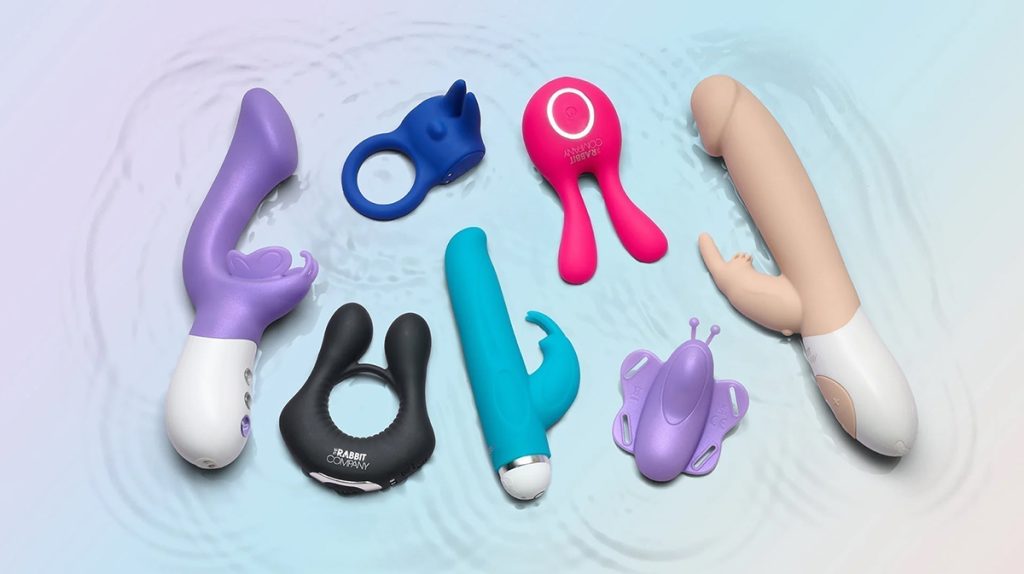
The Material Non-Negotiable: Why Silicone is Your Best Friend
Knowing how to choose a beginner sex toy starts with one foundational decision — the material — because what a vibrator is made from determines both your safety and your long-term satisfaction.
Not all vibrator materials are created equal. The adult toy industry is largely unregulated, which means products made from porous materials like jelly rubber, PVC, or TPE can legally sit on the same shelf as high-quality silicone options — with no warning label in sight. That distinction matters more than most first-time buyers realize.
Porous vs. non-porous is the core concept to understand. Porous materials contain microscopic holes that trap bacteria, bodily fluids, and cleaning residue even after washing. Over time, those materials degrade, discolor, and release chemicals directly against some of the most sensitive tissue on your body. Non-porous materials, by contrast, have a sealed surface that can be fully sanitized.
Medical-grade silicone is the gold standard. According to the International Society for Sexual Medicine, silicone is non-porous, hypoallergenic, and does not harbor bacteria — a critical advantage for intimate use. For anyone with sensitive skin or latex sensitivities, hypoallergenic materials aren’t a luxury feature; they’re a health consideration.
Here’s why silicone consistently earns its reputation:
- Non-porous surface — bacteria and fluids can’t penetrate, making cleaning genuinely effective
- Hypoallergenic — unlikely to cause irritation or allergic reactions on sensitive tissue
- Durable and body-safe — holds shape, resists odor, and won’t degrade with proper care
- Easy to clean — soap and water or a dedicated toy cleaner is all you need
⚠️ Warning: Avoid any toy labeled “jelly,” “PVC,” or listed with vague “premium materials” language. Many low-cost options contain phthalates — industrial plasticizers linked to hormonal disruption — that can leach directly into tissue during use. If a price seems too good to be true, the material likely reflects that.
Once you’re confident in what goes into your toy, the next practical concern is surprisingly relatable: how loud is it going to be?
Understanding the Decibel Factor: Privacy and Peace of Mind
For anyone buying a vibrator for the first time, the fear of being heard is often just as real as any other hesitation — and it deserves a practical, honest answer.
The industry benchmark for a discreet vibrator is under 50 decibels, roughly equivalent to the background hum of a quiet refrigerator, according to Good Vibrations Health & Pleasure Reports. That number gives you something concrete to shop by — not vague promises printed on a box.
To put that in perspective, here’s how vibrator noise compares to sounds you already live with:
| Decibel Level | Real-World Sound Equivalent |
|---|---|
| 30 dB | Soft whisper in a library |
| 40 dB | Quiet room, light rainfall |
| 50 dB | Refrigerator hum (industry discreet standard) |
| 60 dB | Normal conversation |
| 70 dB | Vacuum cleaner or busy traffic |
Mechanical function matters as much as brand claims. Traditional motor-driven vibrators produce consistent, low-frequency buzzing — easier to muffle under a blanket or mattress. Suction or air-pulse devices operate differently, using rapid pressure changes that can produce a higher-pitched, intermittent sound, sometimes registering closer to 55–65 dB depending on the intensity setting.
Testing noise at home is straightforward. Run the device in your bathroom with the exhaust fan on, or place it inside a folded pillow — both simulate real-world masking conditions. Pay attention to whether the sound changes significantly between settings; the lowest intensity is usually the most discreet, and many beginners find it’s also the most satisfying.
Once you have a realistic sense of what quiet actually means, size becomes the next factor worth thinking through — and it turns out smaller devices often have a natural advantage there too.
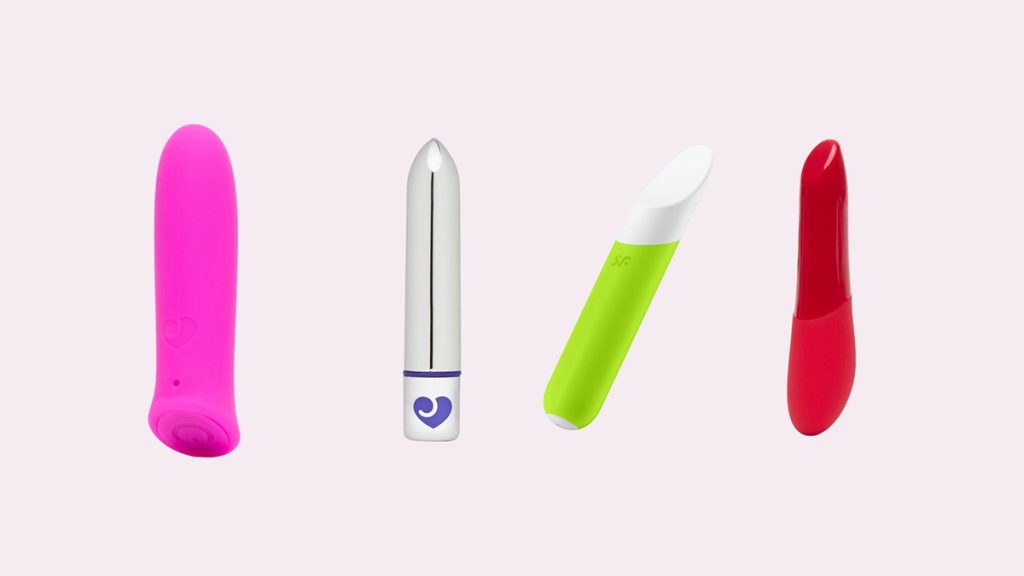
The Case for Starting Small: Why Lipstick Vibrators Win
The best vibrator for a nervous beginner is almost always the smallest, least intimidating one in the room — and that’s not a compromise, it’s a strategy.
Size has a psychological effect that’s easy to underestimate. A large, multi-function device with rotating heads, adjustable arms, and a charging dock that looks like a small appliance can trigger hesitation before you’ve even opened the box. That hesitation is worth taking seriously. When the visual cues of a product signal “complex” or “clinical,” it creates friction between curiosity and action — and friction is exactly what beginners don’t need.
The lipstick vibrator solves this problem before it starts.
As sexuality educator Dr. Logan Levkoff explains, “The best first vibrator is often one that mimics a familiar sensation or shape, such as a small ‘lipstick’ style, to avoid overwhelming the user.” That insight cuts to the core of why form factor matters as much as function for a first purchase.
Portability is the first practical win. A lipstick-style vibrator fits inside a makeup bag, a coat pocket, or a bedside drawer without drawing attention. There’s no storage anxiety, no awkward explanations, and no dedicated “hiding spot” required. For anyone navigating privacy alongside curiosity, that freedom is meaningful.
Familiarity does the heavy lifting emotionally. The compact, cylindrical shape feels like something already in your life — which lowers the psychological barrier to picking it up and actually using it.
Precision rounds out the case. Smaller devices are naturally suited to external stimulation, which research consistently suggests is the most accessible starting point for most beginners. Targeted, gentle contact is far easier to explore than broad, intense stimulation.
And here’s what often surprises people: a well-chosen compact vibrator doesn’t become obsolete as confidence grows. It remains a precise, portable tool even within a larger collection. Starting small isn’t a stepping stone you abandon — it’s a foundation you build on.
Understanding what a device does under the hood, though, is its own conversation entirely.
How to Navigate Mechanical Functions Without a Degree
The terminology on most vibrator product pages can make even a confident shopper freeze — and overcoming anxiety when buying sex toys online often starts with simply understanding what the words actually mean.
Vibration, pulsation, and suction are three completely different sensations, and conflating them is one of the most common beginner mistakes. Vibration delivers a continuous buzz or hum against the skin. Pulsation interrupts that buzz in rhythmic waves — think of it as vibration with a built-in heartbeat. Suction uses gentle air pressure to create a drawing sensation, with no direct contact required at all. Each mechanic targets sensation differently, and knowing which one appeals to you before you buy cuts through a lot of the overwhelm.
Flapping and thrusting are where things get more complex. Flapping mechanics use a flexible internal component that oscillates side to side, mimicking a soft, rhythmic touch. Thrusting mechanics move a component forward and backward to simulate a more pressurized, penetrating sensation. According to Idollri Product Engineering, advanced mechanical functions like flapping and telescopic rotation are specifically designed to mimic human movement — but they come with a real learning curve. Neither is a smart first purchase for someone still getting comfortable with the basics.
Beginner’s Tip: Ignore maximum power specs entirely. Look for “variable speeds” on the product label instead. A device with five adjustable intensity levels teaches you far more about your preferences than one with a single “maximum” setting.
The single most practical piece of advice for first-time buyers: choose one primary mechanic and commit to it. A device that vibrates, suctions, flaps, and thrusts simultaneously sounds impressive — but it’s genuinely difficult to evaluate what you actually enjoy when everything is happening at once. Once you’ve settled on your first pick, the hands-on part of the equation comes next.
The First Use: A Step-by-Step Guide to Success
Your first experience with a vibrator shapes your confidence going forward — so setting yourself up for success matters more than most people realize.
Whether you’ve chosen a lipstick vibrator for beginners or a slightly larger option, the steps below take the guesswork out of that initial session.
- Charge fully before you start. Most rechargeable vibrators need two to four hours on their first charge. Skipping this step risks an interrupted experience and can shorten the battery’s long-term lifespan.
- Start over clothing. The “barrier method” — running the device over underwear or thin fabric first — filters the intensity considerably. It lets you cycle through speed settings without direct stimulation feeling overwhelming. Once you’re comfortable with the sensation, transitioning to skin-direct contact feels like a natural progression rather than a shock.
- Add lubricant before direct contact. This is non-negotiable for silicone toys. According to the International Society for Sexual Medicine, silicone-based lubricants degrade silicone toy materials over time, making water-based lubricant the only safe pairing. A small amount applied to the toy — not just the body — reduces friction and significantly improves comfort.
- Begin at the lowest setting. Intensity is easy to increase; a jarring first impression is harder to shake. Give each setting 30 to 60 seconds before moving up.
💡 Pro-Tip: Keep water-based lubricant on your nightstand before your first session — not as an afterthought. Silicone toys and silicone lubes are chemically incompatible, and no amount of rinsing reverses material breakdown.
[📹 Video placeholder: Beginner’s guide to using a personal vibrator — general how-to walkthrough]
That covers the physical experience itself, but for many first-time buyers, the session starts much earlier — at the checkout page. The next section breaks down exactly how online purchases stay private from packaging to billing statement.
Overcoming the ‘Online Shopping’ Anxiety
Shopping for your first vibrator online feels far less risky once you understand exactly how reputable retailers protect your privacy at every step of the transaction.
The discreet packaging reality: Most people are surprised to discover that adult products arrive in completely plain, unmarked boxes. No brand names, no product descriptions, no logos that hint at the contents — just a standard brown or white shipping box with a neutral return address. Most reputable online adult retailers use neutral return addresses and non-descript billing descriptors to protect customer privacy, according to online shopping safety guidance from GQ. What shows up on your doorstep looks identical to any other e-commerce delivery.
Your bank statement follows the same principle. Reputable retailers use a discreet billing descriptor — typically a parent company name or a generic business name — so nothing identifying appears on your credit card statement. Before completing a purchase, check the retailer’s FAQ or checkout page; most explicitly state what will appear on your statement.
Safe shopping checklist:
- Look for a padlock icon and
https://in the browser address bar — this confirms an SSL certificate is active - Verify the site has a clear privacy policy and a published return or exchange process
- Read product descriptions for body safe sex toy materials like medical-grade silicone, stainless steel, or ABS plastic — trustworthy retailers are transparent about what their products are made from
- Choose value-tier options for a first purchase; a lower price point reduces financial risk while still giving you a genuine, quality experience
Value-tier retailers are worth your attention. Entry-level products from established, well-reviewed stores let you experiment without overcommitting. The low financial stakes remove one more layer of hesitation — and once you’ve had a positive first experience, upgrading feels natural rather than overwhelming.
With the shopping process itself demystified, the final question becomes straightforward: what do you actually prioritize when making that purchase decision?
The Bottom Line: What You Need to Know
Choosing your first vibrator comes down to a handful of non-negotiable fundamentals — and getting those right matters far more than chasing extra features.
As the Idollri Editorial Team notes, a beginner’s success is determined more by comfort and material safety than by the number of vibration patterns. That single insight cuts through most of the noise surrounding first-time purchases.
Here’s what to keep front of mind before you buy:
- Material first, always. Medical-grade silicone is the gold standard. It’s non-porous, body-safe, easy to clean, and won’t harbor bacteria the way cheaper plastics or rubber blends can. If the product listing doesn’t specify “body-safe” or “medical-grade,” treat that as a red flag.
- Mind the decibels. If discretion matters to you, look for devices rated under 50dB — roughly the volume of a quiet conversation. Many entry-level models now advertise noise levels openly, and this spec is worth checking before you commit.
- Start simple and external. A compact lipstick vibrator or a small clitoral stimulator gives you full control without feeling overwhelming. There’s no hierarchy here — external stimulation is a completely valid destination, not just a starting point.
- Water-based lubricant only. Silicone-based lubes degrade silicone toys over time, shortening their lifespan considerably. A quality water-based formula protects your investment and enhances comfort. According to Woo More Play, lubrication is one of the most overlooked beginner essentials.
- Don’t overspend on round one. The market offers excellent high-tech entry models in the $30–$60 range that deliver real performance. Saving your budget for a potential upgrade later — once you know what you actually enjoy — is a smarter approach than maxing out on features you may never use.
If questions are still circling — about intensity, care routines, or what happens if the first pick doesn’t land — the next section covers the most common beginner concerns directly.
Common Beginner Questions (FAQ)
First-time buyers almost always share the same handful of worries — and the good news is that every one of them has a straightforward answer.
Is it normal if it feels ‘too much’ at first?
Completely. Sensitivity varies widely from person to person, and what feels overwhelming on day one often feels comfortable after a few sessions. Start on the lowest setting, use it externally first, and give your body time to adjust — there’s no correct timeline.
How do I clean my vibrator properly?
Cleaning method depends on the material. Silicone, glass, and stainless steel toys (without a motor) can be boiled or run through the dishwasher; motorized silicone toys should be wiped down with a 10% bleach solution or a dedicated toy cleaner and warm water. Always clean before and after every use, and let the toy dry fully before storing it in a breathable pouch.
Can I use my vibrator in the shower?
Most modern vibrators carry an IPX7 waterproof rating, meaning they can be submerged up to 1 meter of water for 30 minutes — so shower and bath use is perfectly safe with those models. Always check the product’s specific rating before submerging; water-resistant and waterproof are not the same thing. Look for IPX7 on the packaging or product description before you buy if water play matters to you.
What if I don’t like the first one I buy?
It happens more often than most people admit, and it’s not a sign that vibrators aren’t for you. First-time experiences vary enormously, and preferences only become clear after some experimentation. Starting with an affordable option ($30–$50) from a retailer with a return or exchange policy keeps the financial risk low while you figure out what actually works for your body.


