

You practice the Close Breathing sex position by sitting face-to-face, often using a sturdy chair for support. This position encourages intimacy through synchronized breathing and direct eye contact. You gain control over your connection, focusing on emotional bonding and mindful movement. Beginners find this approach simple and inclusive. You can explore deeper trust with your partner in a safe, welcoming environment.
Tip: Start slowly and focus on your breathing together for a more meaningful experience.
Key Takeaways
- Practice Close Breathing by sitting face-to-face with your partner. This position fosters intimacy through synchronized breathing and eye contact.
- Focus on synchronized breathing to align your heart rates and emotional states. This connection enhances trust and emotional bonding.
- Maintain steady eye contact during the practice. This simple act deepens your emotional intimacy and builds a sense of safety.
- Create a calming environment before starting. Dim the lights, eliminate distractions, and use soft pillows for comfort.
- Communicate openly with your partner about desires and boundaries. Clear communication leads to a more satisfying experience.
- Listen to your body and adjust as needed. Comfort is key to enjoying the Close Breathing position fully.
- Take your time and move slowly. Mindful movements enhance pleasure and connection, making the experience more rewarding.
- Incorporate simple variations to suit your comfort level. Adjust leg placement or use cushions to find what feels best for both partners.
What Is Close Breathing?
Position Overview
You practice Close Breathing by sitting face-to-face with your partner, often using a sturdy chair for support. One partner sits on the chair, while the other straddles them, ensuring both bodies remain close and aligned. You may place one leg over your partner’s shoulder, which brings your torsos even closer and allows for deeper physical connection. Your arms can wrap around each other’s backs or rest gently on shoulders, creating a secure and intimate embrace. This setup encourages you to maintain direct eye contact and synchronize your breathing, which forms the foundation of the position.
For example, you might sit on a padded chair in a softly lit room. You face your partner, legs intertwined, and gently rest your hands on their shoulders. You both inhale and exhale together, feeling your bodies move in harmony. This position works well for couples seeking a slower, more mindful experience.
Key Elements
Close Breathing centers on three main elements:
- Synchronized Breathing: You and your partner match your breath patterns, inhaling and exhaling at the same pace. This practice aligns your heart rates and emotional states, fostering unity and connection.
- Eye Contact: You maintain steady eye contact, which builds trust and deepens emotional intimacy.
- Physical Alignment: Your bodies remain close, with faces only inches apart. This proximity allows you to sense each other’s breath and subtle movements.
The emotional benefits of synchronized breathing extend beyond physical closeness. Research shows that when you engage in partnered breathwork, you become more attuned to your partner’s emotional needs. You support each other’s vulnerability and create a safe space for mutual expression. The following table summarizes how synchronized breathing enhances emotional connection:
| Evidence Description | Key Points |
|---|---|
| Heart Rate Alignment | Synchronized breathing aligns heart rates and emotional states, fostering unity and connection. |
| Enhanced Emotional Regulation | Controlled breathwork improves vagal tone, aiding emotional regulation and deeper interpersonal connections. |
| Attunement to Emotions | Regular breathwork practice helps partners become more attuned to each other’s emotional needs, facilitating calm conflict navigation. |
Note: Engaging in Close Breathing can rekindle emotional connection and support compassionate communication.
How It Differs
Close Breathing stands out from other sex positions because it emphasizes emotional connection over physical intensity. You focus on mindful movement, slow rhythm, and shared breath rather than rapid motion or acrobatics. This position draws inspiration from tantric practices, which value presence, intention, and energy exchange between partners. Unlike traditional positions, Close Breathing encourages you to slow down, listen to your body, and nurture your relationship through conscious touch and breath.
You do not need advanced flexibility or experience to enjoy Close Breathing. The position adapts easily to different body types and comfort levels. You can modify leg placement or use cushions for added support. The emphasis remains on connection, making it accessible for beginners and experienced couples alike.
Benefits of Close Breathing
Emotional Intimacy
You can deepen your emotional connection with your partner through Close Breathing. This position encourages you to look into each other’s eyes and match your breathing. When you breathe together, you create a sense of unity and trust. Research from the University of California, Davis, shows that couples naturally synchronize their breathing when they sit close, even without touching or speaking. This synchrony grows stronger in long-term relationships, especially during both calm and stressful moments. You may notice that as you practice, you feel more comfortable sharing your feelings and being vulnerable.
- Couples who practice breath matching often report:
- Feeling more emotionally connected
- Increased trust and openness
- A stronger sense of togetherness
You can use Close Breathing to rebuild intimacy after a disagreement or simply to enjoy a quiet moment together. The act of breathing in sync helps you tune in to your partner’s emotions and needs.
Physical Wellness
Practicing Close Breathing offers several physical benefits. The face-to-face alignment allows for deep penetration and full-body contact, which can heighten pleasure and sensitivity. When you slow down and focus on each other, you become more aware of subtle movements and sensations. This mindful approach can lead to a more satisfying experience for both partners.
- Physical wellness benefits include:
- Enhanced pleasure and sensitivity due to slower, mindful movement
- Improved body awareness and coordination
- Opportunities for gentle stretching and muscle engagement
You may also notice that your heart rates align as you breathe together. This physical harmony can make your experience feel more connected and rewarding.
Stress Relief
Close Breathing can help you manage stress and promote relaxation. The combination of synchronized breathing, gentle touch, and eye contact activates your body’s relaxation response. You may find that your muscles relax and your mind becomes calmer as you focus on your partner’s breath and presence.
Tip: If you feel anxious or distracted, pause and take a few slow, deep breaths together. This simple practice can bring you back to the present moment and reduce tension.
Many couples use Close Breathing as a way to unwind after a long day. The mindful attention you give each other can help you let go of worries and enjoy a sense of peace.
| Benefit Type | Example Outcome |
|---|---|
| Emotional Intimacy | Increased trust and emotional bonding |
| Physical Wellness | Enhanced pleasure and body awareness |
| Stress Relief | Reduced anxiety and deeper relaxation |
By practicing Close Breathing, you support both your relationship and your overall well-being.
Getting Ready
Setting the Mood
You set the stage for a meaningful Close Breathing experience by preparing your environment thoughtfully. A calm, inviting space helps you and your partner focus on each other without distractions. Consider these steps to enhance your comfort and connection:
- Choose a quiet, distraction-free space. Silence your phone and close the door to create privacy.
- Dim the lights or light candles to create a warm, soothing atmosphere.
- Use a soft pillow for back support if needed. This can help you maintain the position comfortably for longer periods.
You might play gentle music or use a diffuser with calming scents like lavender. These small touches can help you both relax and become more present in the moment.
Communication
Open and honest communication forms the foundation of a positive experience. Before you try a new position, talk with your partner about your expectations and boundaries. Effective communication strategies include:
- Be clear: Share your needs, desires, and any concerns. Understanding each other’s boundaries leads to a more satisfying experience.
- Be positive: Approach the conversation with patience and support. A positive attitude helps both partners feel comfortable.
- Explore desires: Use a Yes, No, Maybe list to identify interests and boundaries. This tool can spark open discussions and help you discover new preferences together.
- Take responsibility for your own pleasure: Express what feels good and what does not. Clear communication prevents misunderstandings.
- Set clear boundaries: Agree on what is acceptable before you begin. This ensures both partners feel safe and respected.
You might say, “I would like to try Close Breathing because I want to feel more connected with you. How do you feel about it?” This approach invites your partner to share their thoughts and feelings.
Consent and Comfort
Consent remains essential for any intimate activity. You and your partner should both feel comfortable and enthusiastic about trying something new. Check in with each other before, during, and after the experience. If either of you feels discomfort or wants to stop, respect that decision immediately.
A simple table can help you remember key points:
| Step | What to Do |
|---|---|
| Before | Ask for consent and discuss boundaries |
| During | Check in regularly and adjust as needed |
| After | Share feedback and express appreciation |
You build trust by prioritizing comfort and consent. This approach creates a safe space for exploration and deepens your emotional connection.
How to Practice Close Breathing
Positioning Steps
Chair Setup
You begin by selecting a sturdy, comfortable chair. The chair should have a flat seat and a supportive backrest. Place the chair in a quiet area with enough space around it for movement. You can add a cushion for extra comfort if needed.
Step-by-step example:
- Place the chair in the center of your chosen space.
- Ensure the chair does not wobble or slide.
- Sit down first, keeping your feet flat on the floor and your back straight.
- Invite your partner to straddle you, facing you directly.
Tip: Use a pillow behind your lower back for added support during longer sessions.
Leg and Arm Placement
You adjust your legs and arms to maximize comfort and closeness. One partner sits on the chair, while the other straddles, placing one leg over the seated partner’s shoulder or wrapping both legs around their waist. This brings your torsos close together.
Example positioning:
- The seated partner keeps their feet grounded.
- The straddling partner places one leg over the shoulder or wraps both legs around the waist.
- Both partners wrap their arms around each other’s back or rest hands gently on shoulders.
| Position Element | How to Adjust for Comfort |
|---|---|
| Leg Placement | Use cushions under thighs or adjust leg height for flexibility |
| Arm Placement | Rest hands on shoulders, back, or gently caress the neck |
Note: You can modify leg placement to suit your flexibility and comfort level. If you feel strain, switch to a more relaxed position.
Syncing Breath
Breathing Techniques
You focus on matching your breath with your partner. Start by taking slow, deep breaths together. Inhale through your nose, hold for a moment, then exhale gently through your mouth. You can count silently to three for each inhale and exhale.
Step-by-step guide:
- Sit face-to-face and make eye contact.
- Take a deep breath in together.
- Hold the breath for one or two seconds.
- Exhale slowly, feeling your bodies relax.
- Repeat this cycle several times.
Tip: If you lose sync, pause and restart together. Use gentle cues like a nod or a soft touch to reconnect.
Staying in Sync
You may encounter challenges when syncing breath. Beginners often struggle with rhythm, focus, and self-consciousness. Here are the most common challenges:
- Difficulty synchronizing breath: You may find it hard to match your partner’s breathing pattern.
- Mind wandering: Your attention may drift during the activity.
- Feeling self-conscious: You might feel anxious about your performance or appearance.
To overcome these challenges, you can:
- Practice breathing together outside of intimate moments.
- Use gentle reminders to stay present.
- Reassure each other with positive words or touch.
| Challenge | Solution |
|---|---|
| Breath not syncing | Pause and restart together |
| Mind wandering | Focus on eye contact and touch |
| Feeling self-conscious | Offer reassurance and support |
Movement and Eye Contact
Mindful Motion
You move slowly and intentionally. Avoid rushing or making abrupt movements. Rock your hips gently to maintain stimulation. Use your hands to touch, hold, or caress your partner’s back, neck, or face. This keeps both partners engaged and comfortable.
- Rock your hips slightly to maintain stimulation without rushing.
- Use your hands to touch, hold, or caress each other’s back, neck, or face.
Tip: Small, mindful movements help you stay connected and prevent discomfort.
Maintaining Connection
You maintain emotional connection by focusing on eye contact and steady breathing. Keep your gaze soft and relaxed. If you feel tension or distraction, return your attention to your partner’s eyes and breath.
- Focus on staying connected through eye contact and steady breathing.
- Keep eye contact to stay connected.
| Connection Technique | Benefit |
|---|---|
| Steady eye contact | Deepens emotional intimacy |
| Gentle touch | Enhances comfort and trust |
| Synchronized breath | Promotes relaxation and unity |
Note: If you feel awkward, smile or share a gentle laugh. This helps break tension and brings you closer.
Adapting for Different Bodies
You can adjust the Close Breathing position for different body types and flexibility levels. Use cushions, change leg placement, or shift your posture to find what feels best. Always prioritize comfort and safety.
- Communicate openly about any discomfort.
- Take breaks if needed.
- Experiment with different setups until you find your preferred style.
Tip: Every couple is unique. Explore variations to discover what works best for you.
Tips and Common Mistakes
Success Tips
You can set yourself up for a rewarding Close Breathing experience by following a few practical strategies. Many couples find that preparation and presence make the biggest difference. For example, you might start with a short relaxation exercise before you begin. Sit quietly with your partner and focus on your breath for one minute. This simple ritual helps you both transition into a more mindful state.
You should also pay attention to your environment. Arrange pillows or blankets for support. Adjust the lighting to create a soothing atmosphere. These small details can transform your session from routine to memorable.
Consider these proven tips for success:
- Communicate openly about comfort and boundaries before you start.
- Use gentle touch to maintain connection and reassure your partner.
- Keep your movements slow and intentional.
- Take breaks if you feel tension or discomfort.
- Smile or share a laugh if you feel awkward—this helps you relax.
A couple once shared that their first attempt felt awkward, but after a few tries, they found a rhythm that worked for both. They credited their success to patience and honest feedback.
Pitfalls to Avoid
You may encounter common challenges when you try Close Breathing for the first time. Many couples rush the process or lose focus, which can disrupt the experience. You can avoid these pitfalls by staying mindful and responsive.
Here are frequent mistakes to watch for:
- Holding your breath: You might tense up and forget to breathe naturally. Stay relaxed and follow a slow rhythm.
- Losing focus: Distractions can break your connection. Maintain eye contact to stay present.
- Going too fast: Quick movements defeat the purpose of this position. Slow down and savor each moment.
- Ignoring comfort: Discomfort can build if you do not adjust your posture. Use pillows or blankets for support.
If you notice any of these issues, pause and reset together. A short break can help you regain your connection.
The following table summarizes common mistakes and how to address them:
| Mistake | How to Fix |
|---|---|
| Holding your breath | Focus on slow, deep breathing |
| Losing focus | Re-establish eye contact |
| Going too fast | Slow down your movements |
| Ignoring comfort | Adjust posture, add cushions or pillows |
A real-life example: One couple realized they rushed through the breathing phase and felt disconnected. They decided to pause, reset their posture, and focus on eye contact. This simple adjustment improved their experience immediately.
Listening to Your Body
You should always listen to your body during Close Breathing. Discomfort or tension signals that you need to adjust your position or take a break. You might notice your muscles tightening or your breath becoming shallow. These signs mean you should slow down or reposition.
You can use a simple check-in: Ask yourself, “Do I feel relaxed and supported?” If the answer is no, communicate with your partner and make changes. Your comfort and safety matter most.
Remember: Every body is different. What works for one couple may not work for another. Explore, adapt, and prioritize your well-being.
By staying aware and responsive, you create a positive and enjoyable experience for both you and your partner.
Communication and Concerns
Talking with Your Partner
You strengthen your relationship by communicating openly before practicing the Close Breathing Sex Position. Start with a conversation about your desires and boundaries. Use clear language and focus on your feelings. For example, you might say, “I feel excited to try Close Breathing because I want to feel more connected with you.” This approach reduces defensiveness and encourages honest sharing.
Active listening plays a key role. When your partner speaks, give them your full attention. Nod, maintain eye contact, and avoid interrupting. Show empathy by acknowledging their feelings. You build trust when you respect each other’s boundaries and preferences.
Consider these communication techniques:
- Use ‘I’ statements to express your feelings and needs.
- Practice active listening to foster understanding.
- Respect your partner’s boundaries at all times.
- Discuss preferences and concerns before you begin.
Tip: A simple check-in before you start helps both partners feel valued and heard.
| Communication Technique | Benefit |
|---|---|
| ‘I’ Statements | Reduces defensiveness |
| Active Listening | Fosters empathy and trust |
| Boundary Respect | Enhances intimacy and safety |
Handling Discomfort
You may experience discomfort or awkwardness during Close Breathing, especially if you are new to the position. Address these feelings with a light approach. Suggest trying the position as a way to connect more deeply. For example, you could say, “Let’s see if this helps us feel closer tonight.”
Encourage your partner to share their feelings and preferences. Ask questions like, “Does this feel comfortable for you?” or “Would you like to adjust anything?” Pay attention to your own body and notice any tension or discomfort. Adjust your position or take a break if needed.
- Start conversations with a gentle, positive tone.
- Invite your partner to express their comfort level.
- Monitor your own body for signs of discomfort.
- Make adjustments together to ensure both partners feel safe.
If you feel awkward, share a smile or laugh together. This helps break tension and brings you closer.
Building Trust
You build trust by engaging in exercises that promote emotional and physical connection. Simple activities can help you feel safer and more open with your partner. Try cuddling for 15 minutes before or after your session. Physical touch releases oxytocin, which enhances feelings of safety and bonding.
Share a personal story or secret to deepen emotional intimacy. This act shows vulnerability and encourages your partner to open up as well. Have a trust talk where you discuss expectations and values related to intimacy. Aligning on these topics helps you explore new experiences with confidence.
You can also schedule weekly check-ins to discuss your feelings and experiences. These regular conversations ensure both partners feel heard and valued.
- Cuddle for 15 minutes to promote bonding.
- Share a secret to foster emotional intimacy.
- Have a trust talk to align expectations.
- Hold weekly check-ins to maintain open communication.
Consistent trust-building practices create a foundation for deeper intimacy and exploration.
| Trust-Building Exercise | Purpose |
|---|---|
| Cuddling | Enhances physical connection |
| Sharing Secrets | Builds emotional intimacy |
| Trust Talks | Aligns values and expectations |
| Weekly Check-Ins | Maintains ongoing communication |
You create a safe and supportive environment by prioritizing communication, comfort, and trust. This approach helps you and your partner enjoy the Close Breathing Sex Position with confidence and connection.
Simple Variations
Modifying for Comfort
You can tailor the Close Breathing Sex Position to suit your body and comfort level. Many couples find that small adjustments make a significant difference in their experience. For example, placing a slim pillow under your hips helps adjust your pelvic tilt. This modification flattens your spine and reduces strain on your lower back. You may also use pillows under your knees or thighs to enhance support and prevent fatigue during longer sessions.
If you notice pressure on your ribcage, try using your forearms to share body weight. This adjustment allows for deeper breathing and greater relaxation. You can also change the pace or switch between complementary positions to prevent muscle fatigue.
Comfort Modifications:
- Place a slim pillow under your hips to support your lower back.
- Use pillows under your knees or thighs for added comfort.
- Support your upper body with your forearms to reduce chest pressure.
- Change pace or switch positions if you feel tired.
Tip: Listen to your body and adjust as needed. Comfort leads to a more enjoyable and connected experience.
| Modification | Benefit |
|---|---|
| Pillow under hips | Reduces lower back strain |
| Pillow under knees/thighs | Enhances comfort and support |
| Forearm support | Allows deeper, easier breathing |
| Changing pace/position | Prevents fatigue and discomfort |
Adjusting Intensity
You control the intensity of the Close Breathing position by making small changes to your movement and rhythm. Slow, gentle rocking creates a soothing and intimate atmosphere. If you want to increase stimulation, you can gradually deepen your movements or adjust your angle. Communication remains key—check in with your partner to ensure both of you feel comfortable and satisfied.
Ways to Adjust Intensity:
- Slow your movements for a calming, mindful experience.
- Deepen your rocking motion to increase stimulation.
- Adjust your angle to explore different sensations.
- Pause and reconnect through eye contact and breath if needed.
Note: Every couple has a unique rhythm. Explore different speeds and depths to discover what feels best for you and your partner.
Exploring Tantric Elements
You can enhance intimacy by incorporating tantric techniques into the Close Breathing position. Tantric practices focus on energy, breath, and deep connection. Begin by aligning your bodies—wrap your arms around each other, and position your heads cheek to cheek or forehead to forehead. This alignment helps synchronize your energy and fosters a sense of unity.
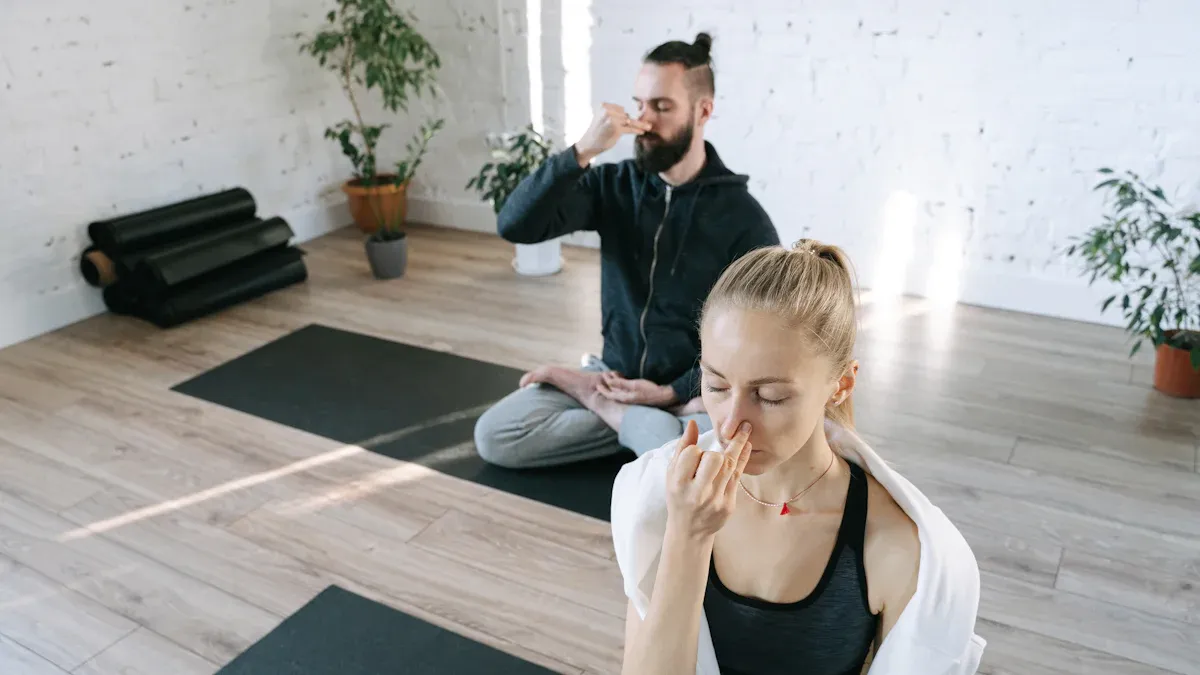
Start with deep, slow breaths together. You may also try alternate nostril breathing, a classic tantric technique. Block your right nostril and inhale deeply through your left. Hold your breath as long as comfortable. Then, block your left nostril and exhale through your right. Inhale through your right nostril, hold, and exhale through your left. Repeat this cycle for five to ten minutes to promote relaxation and connection.
Tantric Enhancements:
- Align your bodies with arms around each other and heads touching.
- Synchronize your breathing with deep, slow inhales and exhales.
- Practice alternate nostril breathing for five to ten minutes.
- Move together in slow, undulating motions to activate sexual energy.
Try these tantric elements to deepen your emotional and physical connection. Many couples report increased intimacy and satisfaction when they explore these mindful practices together.
| Tantric Practice | Purpose |
|---|---|
| Body and head alignment | Synchronizes energy and chakras |
| Deep, slow breathing | Promotes unity and relaxation |
| Alternate nostril breathing | Enhances focus and emotional balance |
| Slow, undulating movement | Activates and circulates sexual energy |
You can experiment with these simple variations to create a Close Breathing experience that feels uniquely yours. Adapt, communicate, and enjoy the journey together.
You may feel nervous or awkward when you first try Close Breathing, but that is completely normal. Many couples report benefits such as:
- Enhanced emotional intimacy and deeper connection
- Better physical awareness and wellness
- Lower stress and improved relaxation
Open communication helps you adjust and ensures both partners feel comfortable. If you want more guidance, resources like intimacy exercises and professional advice can support your journey. Focus on connection, listen to each other, and enjoy exploring new ways to grow together.
| Resource Title | Description |
|---|---|
| Overcoming Intimacy Challenges | Strategies for rekindling intimacy through communication and support |
| 9 Powerful Intimacy Exercises | Exercises to enhance emotional and physical connection |
| Unleashing Intimacy | Insights on playfulness, vulnerability, and trust in relationships |
FAQ
What if you or your partner feel awkward during Close Breathing?
You may feel awkward at first. Smile or share a gentle laugh to ease tension. Focus on your breath and eye contact. Take breaks if needed. Open communication helps you both relax and enjoy the experience.
Can you practice Close Breathing if you have limited flexibility?
Yes, you can. Use pillows for support and adjust leg placement for comfort. Choose a chair with a backrest. Modify the position to fit your body. Prioritize comfort and safety at all times.
How long should a Close Breathing session last?
You decide the duration. Many couples start with 10 to 15 minutes. End the session when you feel satisfied or need a break. Listen to your body and your partner’s cues.
What should you do if your breathing falls out of sync?
Pause and reconnect. Make eye contact and take a few slow breaths together. Use a gentle touch or nod as a cue. Restart the breathing pattern when you both feel ready.
Is Close Breathing safe for everyone?
Most people can practice Close Breathing safely. If you have health concerns or physical limitations, consult a healthcare provider first. Always stop if you feel pain or discomfort.
How do you maintain intimacy if distractions occur?
Silence your phone and create a calm environment before you begin. If distractions happen, pause and refocus on your partner. Use soft lighting and calming music to help maintain intimacy.
Can Close Breathing help improve your relationship?
Yes. Regular practice can deepen emotional bonds, increase trust, and enhance communication. Many couples report feeling more connected and relaxed after Close Breathing sessions.
What if one partner wants to stop during the session?
Respect your partner’s wishes immediately. Stop the activity and check in with each other. Discuss any concerns or discomfort. Prioritizing consent and comfort builds trust and safety.


