

Most women cannot orgasm from penetration alone — and the design of the rabbit vibrator exists precisely because of that biological reality.
The “orgasm gap” is one of the most well-documented disparities in sexual health research. According to the Journal of Sex & Marital Therapy, only about 18% of women achieve orgasm through penetration alone. That figure has been consistent across multiple studies, and it points to a straightforward anatomical truth: the vaginal canal, on its own, does not reliably deliver the stimulation most women need to climax. The clitoris — with the vast majority of its nerve endings concentrated externally — is simply not engaged by internal penetration in most positions or with most toys.
Dual stimulation emerged as the functional answer to this gap. Rather than expecting the body to adapt to a single-point device, dual stimulation works with the body’s actual structure — addressing both internal and external erogenous zones simultaneously. This is not a novelty concept; it’s a physiological workaround that research on dual-action vibrators consistently supports as more effective for reaching orgasm than single-stimulation alternatives.
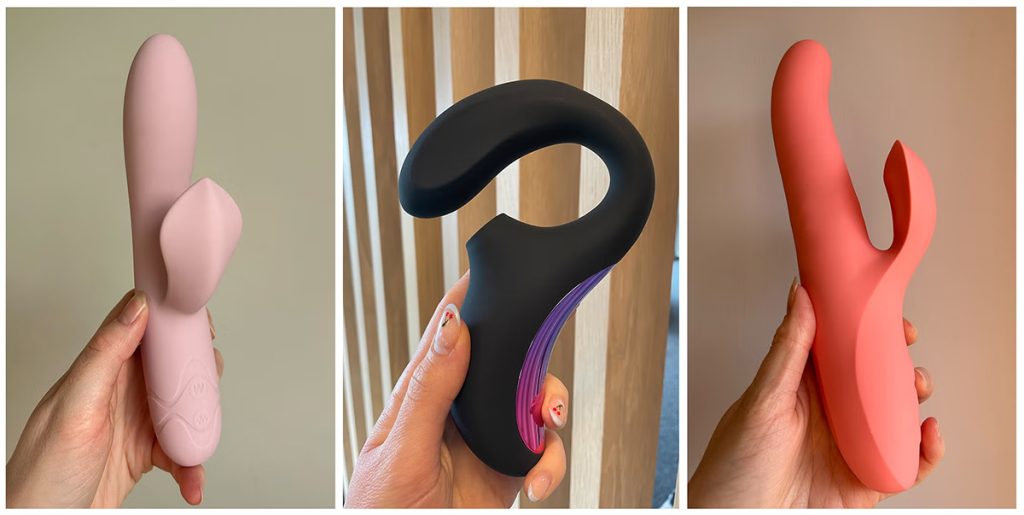
The rabbit vibrator’s design reflects that function-first philosophy. Unlike earlier toys modeled primarily on phallic realism, the rabbit format introduced a secondary arm — the iconic “ear” — engineered specifically to maintain contact with the clitoral glans during internal use. It was a pragmatic redesign, not a cosmetic one. Any thorough rabbit vibrator guide will underscore this point: the shape exists to solve a problem, not to mimic anatomy.
What makes modern iterations genuinely revolutionary, however, is not the shape itself but the motors inside it. Understanding how those motors interact — and why synchronization matters — is where the real technical conversation begins.
The Anatomy of a Blended Orgasm
A blended orgasm — achieved through simultaneous internal and external stimulation — is the precise physiological outcome that a well-designed dual stimulation toy is built to deliver.
The clitoral glans and the G-spot are far closer together than most people realize. The G-spot sits roughly 2–3 inches inside the vaginal canal on the anterior wall, while the clitoral complex extends internally around that same region. Modern anatomical research confirms these structures share nerve pathways, which means activating both at once doesn’t simply double the sensation — it creates a compounding neurological response that neither stimulus could produce independently.
That anatomical proximity explains a lot. It also explains why approximately 75% of women require direct clitoral stimulation to reach orgasm during sexual activity. Penetration alone rarely contacts the clitoral glans with sufficient pressure or consistency. The internal shaft of a rabbit vibrator addresses the G-spot, while the external arm maintains continuous, calibrated contact with the clitoris — covering both needs simultaneously rather than forcing a choice between them.
The blended orgasm isn’t just a more intense version of either a clitoral or vaginal orgasm — it’s a qualitatively different experience. When both nerve clusters fire together, the sensory signals converge in the brain, producing a feedback loop that amplifies duration and intensity beyond what sequential stimulation achieves. Some users describe it as a full-body response rather than a localized peak.
What this means practically is that timing matters as much as pressure. The external and internal components need to reach peak stimulation at roughly the same moment for the compounding effect to occur. That synchronization is where engineering becomes just as important as anatomy — and it’s exactly what separates a thoughtfully built vibrator designed for blended response from a basic two-speed toy. Understanding why that synchronization is necessary points directly to how dual-motor systems are engineered to achieve it.
Engineering Pleasure: How Dual Motors Work in Harmony
The structural genius of a rabbit vibrator isn’t just having two stimulation points — it’s having two completely independent motors that can be controlled, calibrated, and synchronized with precision.
Independent motors are non-negotiable. A single shared motor driving both the shaft and the external arm would mean every setting change affects both zones simultaneously, eliminating the personalized calibration that makes blended stimulation effective. With dedicated motors, the internal shaft can deliver deep, rumbly G-spot pulses while the clitoral arm runs a rapid fluttering pattern — two distinct sensory languages speaking to two distinct nerve clusters at the same time. As adulttoymegastore.com explains, dual-action toys are specifically engineered so each motor targets its anatomical zone without compromising the other.
One of the less-discussed technical challenges in this category is vibrational interference — the phenomenon where competing motor frequencies cancel each other out or create dissonant feedback that numbs sensation rather than building it. According to Engineering.com’s mechanical analysis, advanced motor synchronization prevents this interference, ensuring that G-spot and clitoral patterns work in harmony rather than in opposition. High-end manufacturing achieves this through precise frequency mapping, where motor speeds are selected to complement rather than clash.
The ‘Synergy’ Advantage: When G-spot and clitoral motor outputs are calibrated to work together, the combined stimulation doesn’t just feel additive — it feels multiplicative. The internal pulsing amplifies blood flow to the clitoral network, making the external stimulation more intense, and vice versa.
Calibration also determines whether a pattern “flaps” or “pulses.” Flapping patterns use rapid directional motor oscillation to mimic physical contact, while pulsing patterns create rhythmic pressure waves. The distinction matters because different nerve endings respond to different mechanical inputs — a design nuance that separates precision-engineered devices from basic alternatives. This technical sophistication is only the beginning of how far rabbit vibrator engineering has advanced.
The Evolution of the Rabbit: From Vibration to Flapping
Modern blended orgasm technology has moved far beyond the simple buzz-and-buzz formula, transforming rabbit vibrators into sophisticated wellness devices that rival medical-grade therapeutic tools.
As sexologist Dr. Logan Levkoff notes, “The rabbit vibrator changed the industry by normalizing the idea that internal and external stimulation should happen at the same time.” What designers have done since is build on that foundation with remarkable mechanical ingenuity.
Classic vs. Modern Rabbit Mechanics at a Glance:
- Classic: Dual fixed motors, steady vibration, one-speed or limited patterns
- Modern: Independent motors, flapping clitoral arms, sonic suction, thrusting shafts, and integrated heat
Mechanical flapping represents one of the most significant leaps forward. Instead of a static arm pressing against the clitoris and buzzing in place, newer designs use a articulated “flapping” mechanism — a rapid, wave-like motion that more closely mimics the sensation of a tongue. This dynamic contact changes pressure and angle continuously, preventing the desensitization that repetitive static vibration can cause over time.
Clitoral suction technology takes the concept even further. Integrated air-pulse chambers create a gentle vacuum around the clitoral hood, drawing blood to the surface and producing a suction sensation that many users find dramatically more intense than vibration alone. When paired with a simultaneously thrusting or rotating internal shaft, the combined effect pushes the limits of what a single device can achieve.
Heating elements — now appearing in premium models — warm the insertable shaft to around body temperature before and during use. This gentle warmth increases localized blood flow, heightens nerve sensitivity, and makes the overall experience feel more organic and less mechanical.
Taken together, these advances reframe the rabbit not as a novelty but as a purposeful wellness tool designed around real physiology. Understanding why each feature works, however, comes down to a far more precise engineering detail — one rooted in how your nerve endings actually respond to different frequencies.
Why Motor Calibration is the Secret to Sensitivity
Motor calibration — not raw power — is what separates a device that builds genuine arousal from one that delivers overwhelming, numbing buzz.
Different nerve endings require entirely different frequencies to fire correctly. The clitoris is densely packed with nerve endings that respond most intensely to higher-frequency stimulation, while the G-spot’s deeper Ruffini endings tend to respond to slower, more rhythmic pressure. This is the core physiological reason why a well-engineered dual-motor device isn’t a luxury — it’s a functional necessity.
“Frequency calibration” — the precise tuning of each motor to operate within an optimal range for its target tissue — is what allows a rabbit vibrator to speak two completely different neurological languages simultaneously.
Variable speed settings are the practical expression of this science. A device locked into a single intensity level can’t accommodate the natural progression of arousal, which shifts in sensitivity as stimulation continues. In practice, the ability to start low and gradually increase frequency on each motor independently allows the body to track pleasure rather than plateau or retreat into desensitization.
“Vibrational muddiness” — a term used in high-performance manufacturing — describes what happens when poorly isolated motors bleed frequency into each other, creating an indistinct, blurred sensation rather than two precise inputs.
This muddy output is directly linked to the numbness that many users report after prolonged use of lower-quality devices. As noted by Engineering.com, high-performance manufacturing focuses specifically on independent frequency control — allowing flapping or oscillation on the clitoral arm while maintaining a steady, distinct rhythm in the shaft. That independence is what keeps sensation sharp over time.
“Telescopic rotation” — a shaft movement pattern where the internal head traces a circular path targeting the anterior vaginal wall — is particularly effective for G-spot stimulation precisely because it applies consistent, localized pressure rather than diffuse vibration.
The debate around clitoral suction vs vibration maps directly onto this frequency discussion: suction devices operate on air-pulse technology at specific pulse rates, while vibration devices rely on motor RPM. Neither is universally superior — the right choice depends entirely on individual nerve sensitivity, which brings us back to calibration as the foundational variable.
When considering your next device, the engineering inside the casing matters as much as the shape outside it — which leads naturally to how external form factors translate that internal precision into real-world results.
Choosing Your Device: A Guide to Dual Stimulation Shapes
The right rabbit vibrator isn’t universal — your anatomy, preferences, and stimulation style should drive every feature decision you make.
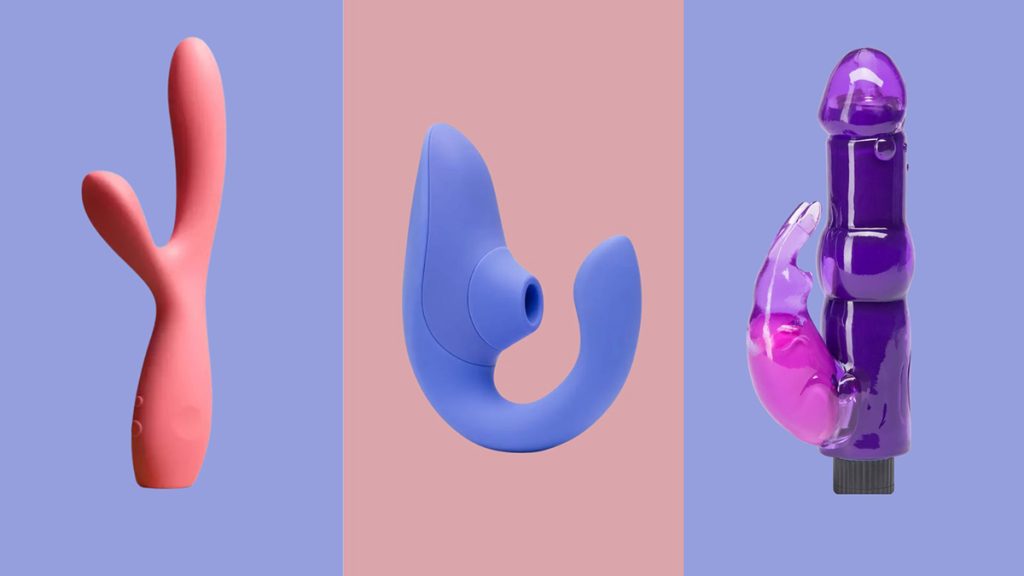
Clitoral attachment style is the first major fork in the road. Traditional “ear” designs use two prongs that bracket the clitoris, delivering pinpoint vibration directly to the glans and hood. Suction heads, by contrast, create a pressure wave that draws blood to the area and stimulates indirectly — a sensation many describe as deeper and more diffuse. According to the Journal of Sex & Marital Therapy, combining internal vaginal stimulation with external clitoral contact significantly increases the likelihood of reaching climax, so neither style is objectively superior — the key is matching the mechanism to what your body responds to best.
Shaft curvature is equally critical for G-spot access. A straight shaft reaches the vaginal canal but rarely makes reliable contact with the anterior wall where the G-spot is located. A shaft with a pronounced upward curve — typically between 20 and 35 degrees — angles the insertable portion toward that zone during natural thrusting motions. In practice, even a modest curve makes a measurable difference in targeted pressure, especially when paired with a broad, bulbous tip designed to spread stimulation across a wider surface area.
Weight and grip ergonomics are the underrated long-game factors. A device that feels comfortable after two minutes may create hand fatigue or wrist strain during extended use. Lighter silicone-bodied devices (under 200 grams) reduce physical effort, while a textured, tapered handle improves control during use.
For fans of high-tech adult wellness, the wisest choice combines app-controlled motors, customizable vibration mapping, and synchronized dual stimulation — features that put precision entirely in your hands. Explore devices built around these principles in Idollri’s Hot Collections.
Understanding these distinctions sets the foundation for a clearer bottom-line view of what actually closes the orgasm gap — which the next section addresses directly.
The Bottom Line: What You Need to Know
Dual stimulation isn’t a luxury feature — it’s the most direct engineering response to a well-documented physiological reality.
Research published in the Journal of Sex & Marital Therapy confirms that roughly 75% of women require clitoral contact to reach orgasm. A toy that addresses only internal stimulation is, statistically speaking, leaving most users unsatisfied. Rabbit vibrators exist precisely to close that gap by targeting the G-spot and clitoris at the same time — which is why they remain the most anatomically complete option in the category.
The earlier sections covered how motor calibration shapes sensation quality. That principle carries directly into this summary: a rabbit with two poorly synchronized motors doesn’t double the pleasure — it creates competing frequencies that muddy the experience. Synchronization isn’t a marketing term. It’s the difference between two sensations that compound each other and two that cancel each other out.
Modern rabbit designs have expanded well beyond the dual-vibration format. As Cosmopolitan’s rabbit vibrator guide notes, today’s top-tier devices integrate flapping motion, pressure-wave suction, and gentle heating — building a multi-sensory experience that mimics real touch far more closely than vibration alone. Each added feature should serve the core goal: sustainable, buildable arousal rather than immediate, numbing intensity.
Here’s what the research and design trends point to collectively:
- Clitoral contact is non-negotiable for the majority of people with vulvas — dual stimulation makes that contact consistent and hands-free.
- Synchronized motors produce cleaner sensation by eliminating vibrational interference between the two stimulation points.
- Flapping, suction, and heat transform a rabbit from a vibration device into a full sensory tool.
- Simultaneous G-spot and clitoral stimulation is the most evidence-backed approach to bridging the orgasm gap.
If questions are still forming around specific features — how suction differs from vibration, whether dual-motor toys run louder, or the right way to maintain a high-tech device — the next section addresses those directly.
Frequently Asked Questions About Rabbit Vibrators
Rabbit vibrators raise practical questions that deserve straight answers — here are the most common ones, addressed directly.
Can you use a rabbit vibrator for clitoral stimulation only?
Yes, and this flexibility is one of the format’s underappreciated strengths. Most rabbit-style devices allow independent motor control, meaning the external arm can be activated without inserting the internal shaft. In practice, this makes the toy functional for users who want targeted clitoral stimulation on some occasions and blended stimulation on others — two devices for the price of one.
What is the difference between flapping and vibrating?
This distinction matters more than most buyers realize. Traditional vibrating heads deliver rapid oscillation that can cause desensitization with extended use. Flapping or “come-hither” mechanisms use a rotating or lever-driven motion that more closely mimics manual stimulation. As noted by Pure Romance, dual-action designs specifically target the nerve-dense areas that respond to rhythmic pressure, not just surface buzz. The sensation profiles are genuinely different.
Are dual-motor toys louder than single-motor toys?
A common concern — and a reasonable one. Dual-motor systems require precise calibration to ensure both zones receive adequate intensity, as noted by Engineering.com. That engineering complexity doesn’t automatically mean more noise. Premium devices use dampened housings and brushless motors to minimize sound output. A well-engineered dual-motor toy can be quieter than a cheaply made single-motor alternative. Motor quality, not motor count, drives noise level.
How should you clean a high-tech dual stimulator?
Material determines method. Silicone, ABS plastic, and stainless steel are all body-safe and non-porous, meaning a thorough wash with mild soap and warm water is typically sufficient. Avoid submerging any device that isn’t rated fully waterproof — look for IPX7 certification as the reliable standard. As the wellness technology category continues to evolve, cleaning standards and material quality are rising alongside the engineering innovations reshaping what these devices can do.
The Future of Personal Pleasure Technology
Rabbit vibrators have completed a remarkable journey — from novelty curiosity to evidence-backed wellness technology that directly addresses a documented physiological need.
As Dr. Logan Levkoff observed, “the rabbit design moved away from phallic realism toward a functional, results-oriented geometry.” That shift captures everything meaningful about where personal pleasure technology is headed. Devices are no longer designed around aesthetic assumptions. They’re engineered around how bodies actually work — and that distinction changes outcomes in a real, measurable way.
Advanced mechanics are now a baseline expectation, not a premium exception. Features like telescopic rotation, independent dual-motor control, and ergonomic clitoral arm positioning exist because users have demanded tools that match the complexity of their physiology. The orgasm gap isn’t a mystery to solve — it’s a design problem with increasingly sophisticated solutions. Dual-stimulation technology represents the most direct answer that currently exists.
What this means practically is that anyone navigating the wellness market today has access to a caliber of engineering that simply wasn’t available a decade ago. The question is no longer whether the right technology exists — it’s whether you’re prioritizing your own physiological needs enough to seek it out. Your pleasure is a legitimate wellness priority, not an afterthought. Investing in the right tool is no different from investing in any other aspect of your health.
If you’ve read this far, you already understand the mechanics, the research, and the reasoning. The next step is straightforward: explore high-performance rabbit vibrators built around real anatomical function, and look for retailers offering discounted access to premium wellness technology. The dual-motor revolution isn’t coming — it’s already here. The only remaining variable is whether you’re part of it.


