
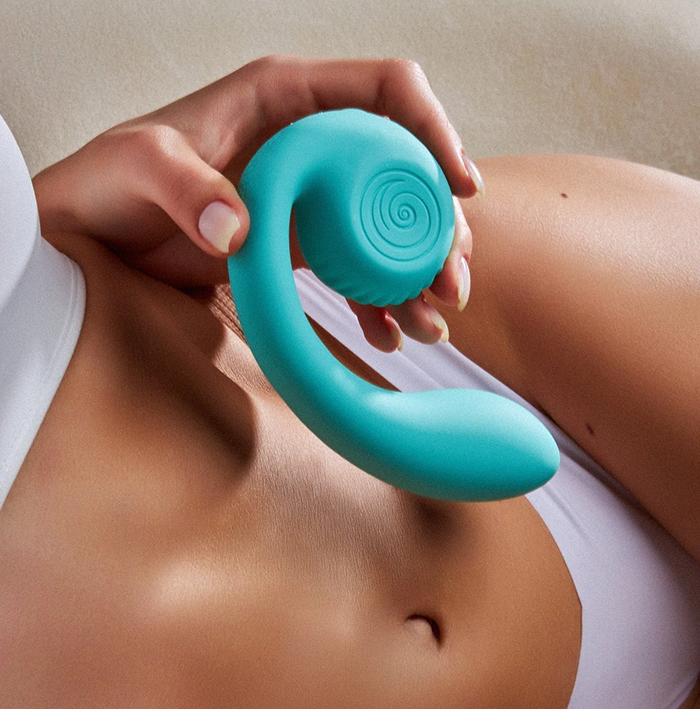
Vibrator design didn’t evolve gradually — it leaped forward the moment engineers stopped thinking about single-point stimulation and started engineering for the full anatomy of female pleasure.

The transition from simple vibration to complex, dual-action mechanical movement marks one of the most significant shifts in modern sexual wellness. Early vibrators delivered one thing: surface buzz. They were blunt instruments, effective for some users but fundamentally limited in their approach. The introduction of the rabbit vibrator changed that equation entirely, pairing an insertable shaft with a secondary external arm designed to cradle the clitoris simultaneously.
That dual-action architecture is what made the rabbit a cultural icon — not just a product category. Its popularity surged when mainstream media spotlighted it in the late 1990s, but the staying power comes from genuine physiological logic. According to the International Society for Sexual Medicine, the rabbit’s design revolutionized the industry by introducing the concept of blended orgasms — pleasure responses that occur when internal and external nerve endings are stimulated at the same time.
Blended Orgasm: A climax achieved through the simultaneous stimulation of two distinct nerve pathways — typically the vaginal walls (and G-spot) internally, and the clitoris externally — producing a more intense and sustained response than either source alone.
Understanding the difference between a rabbit and a wand vibrator is the foundation of this entire conversation. Wands deliver powerful, broad surface vibration — excellent for external use but architecturally incapable of targeting internal zones. Rabbits, by contrast, are precision instruments built around the blended orgasm as a design goal, not an afterthought.
That philosophy — purposeful, anatomy-informed engineering — is what drives high-functionality pleasure hardware into a different tier of performance altogether. Defining the blended orgasm as the objective, rather than a happy accident, is exactly what separates thoughtfully engineered rabbit vibrators from everything that came before them.
The question worth asking next is how that difference plays out physiologically — and why the body responds so differently to each approach.
Rabbit vs. Wand: Understanding the Physiological Impact
Wands and rabbit vibrators both deliver pleasure, but they operate on fundamentally different physiological principles — and that difference determines outcomes.
Wands are built for power. Their broad, rounded heads generate intense, deep vibrations across a wide surface area, making them exceptional for external stimulation and muscle tension relief. That raw intensity is genuinely useful — but it’s also their limitation. Because wands work by flooding a general zone with sensation, they can’t simultaneously engage internal structures. The vibration stays on the surface, leaving the G-spot — tucked along the anterior vaginal wall — largely untouched.
Rabbit vibrators, by contrast, are precision instruments. The internal shaft targets the G-spot directly with pressure and movement, while the signature “ears” maintain consistent, targeted contact with the clitoral glans. That stability matters enormously. Unlike a wand held by a moving hand, the curved ears anchor against the clitoris, delivering rhythmic stimulation without drift or positional guesswork.
This dual-targeting design reflects a key physiological reality: the clitoris and the anterior vaginal wall don’t exist in isolation. They interact. Stimulating both simultaneously creates compounding neural feedback — which is precisely what makes blended orgasms measurably more intense than single-source climax.
The numbers support this. According to the Journal of Sex & Marital Therapy, approximately 70% of women who require clitoral stimulation to reach orgasm prefer dual-stimulation devices — making the the best rabbit vibrator a physiologically informed choice, not just a popular one. As wand vs. rabbit comparisons consistently show, wands win on intensity while rabbits win on targeted efficiency.
The honest caveat: wands still serve a purpose. For those who prefer broad, pressure-heavy external stimulation, or who find insertion uncomfortable, a wand remains a valid and effective option.
What neither device’s mechanics can be fully understood without, however, is the anatomy driving the response — specifically, why internal and external stimulation reinforce each other at a structural level.
The Anatomy of the Clitoral Network and G-Spot Connection
Dual stimulation works because the clitoris and G-spot aren’t separate pleasure centers — they’re part of the same interconnected anatomical system.
Most people picture the clitoris as the small external nub visible at the top of the vulva. In reality, that’s just the tip. The full clitoral structure extends internally, wrapping around the vaginal canal with two crura (legs) and two vestibular bulbs. This is why getting explaining rabbit vibrators correctly matters: the internal shaft of a rabbit toy isn’t stimulating a separate structure — it’s pressing directly into the internal body of the clitoris from the inside.
The G-spot is, neurologically and structurally, an extension of the clitoral network. As Dr. Nicole Prause of the Liberos Center states:
“The G-spot is not a distinct anatomical structure, but rather an extension of the clitoral network; therefore, devices that stimulate both areas are more effective for most users.”
Internal pressure amplifies external sensitivity through a mechanism called engorgement feedback. When the internal vaginal walls are stimulated, blood flow increases to the surrounding erectile tissue — including the external clitoral glans. The result is heightened sensitivity at both contact points simultaneously, creating a compounding effect that single-point toys can’t replicate.
The pelvic floor plays an equally important role. Dual-action stimulation causes involuntary contractions in the levator ani muscle group — the pelvic floor muscles responsible for the rhythmic pulses of orgasm. These contractions intensify when pressure is applied internally while external vibration is maintained, creating a feedback loop that deepens the physical response.
The final piece of this anatomical puzzle connects to how stimulation is delivered. Basic vibration transmits a uniform frequency that the nervous system can adapt to — a phenomenon known as sensory habituation. What the internal anatomy actually responds to best is dynamic, varied pressure that mimics natural tactile contact.
That distinction between static vibration and true mechanical movement — including flapping, rotation, and telescopic action — is exactly where the next generation of rabbit technology becomes genuinely fascinating.
Mechanical Innovation: Flapping, Rotation, and Telescopic Movement
Modern rabbit vibrators have moved far beyond simple buzzing — today’s mechanical movements deliver targeted stimulation that basic vibration physically cannot replicate, unlocking the full the benefits of dual stimulation of the clitoral-vaginal network explored earlier.
The core distinction: vibration creates surface-level oscillation, while mechanical movement generates directional force that engages deeper tissue and nerve clusters with precision.
Here’s how each movement type works — and why it matters:
- Flapping. Rather than buzzing against clitoral tissue, flapping ears create a rhythmic, wave-like tapping motion that mimics oral stimulation more closely than any static vibration pattern. The sensation cycles between contact and release, which repeatedly engages the external clitoral hood and surrounding nerve endings. In practice, this keeps sensitivity heightened without the desensitizing effect that constant-contact vibration can produce over time.
- Rotation. Multi-functional rabbit vibrators feature rotational mechanical movement specifically designed to reach deeper nerve clusters, including the internal clitoral legs and anterior vaginal wall. Where vibration radiates outward uniformly, rotation sweeps in a circular path — creating continuous G-spot contact rather than momentary stimulation.
- Telescopic movement. This is arguably the most anatomically precise feature available. Telescopic action drives the internal shaft forward and backward in a controlled thrusting motion, dynamically adjusting pressure against the G-spot as it moves. Unlike static insertion, telescopic function maintains active contact throughout the stroke, delivering consistent stimulation to pressure-sensitive tissue that responds strongly to movement over friction.
Why mechanical complexity accelerates climax: layering these distinct movement types creates simultaneous stimulation pathways — internal pressure, rotational sweep, and external tapping — that the nervous system processes as compounding arousal signals rather than a single, adaptable input. The brain registers greater novelty and intensity, which research associates with faster arousal escalation and more powerful orgasmic response.
This layered mechanical approach also sets the stage for another underappreciated factor in pleasure quality — one that operates on an entirely physical level: temperature.
The Thermal Advantage: Why Integrated Heating Changes Everything
Warmth isn’t just a comfort feature — it’s a physiological catalyst that meaningfully amplifies the the science of blended orgasms behind dual-stimulation devices.
Cold silicone is a genuine mood-killer. That jarring first contact with a room-temperature toy triggers an involuntary tensing of pelvic floor muscles, narrowing blood vessels and reducing the very sensitivity you’re trying to enhance. Heating elements solve this problem before it starts.
Here’s how thermal technology earns its place in high-performance rabbit vibrators:
- Increased blood flow and tissue sensitivity. Gentle, consistent warmth — typically between 98°F and 104°F — causes vasodilation in vaginal tissues. Greater blood flow means engorged nerve endings respond more readily to vibration and pressure, lowering the stimulation threshold needed to reach orgasm.
- Body-temperature mimicry for a more realistic experience. The vulva and vaginal canal maintain a resting temperature close to core body temperature. A toy that matches this baseline feels like a natural extension rather than a foreign object, allowing the nervous system to relax and prioritize pleasure signals over defensive physical responses.
- Sustained arousal without thermal distraction. Beyond the initial contact, consistent warmth keeps tissues primed throughout a session. In practice, users report longer arousal windows and more intense climaxes when thermal stimulation accompanies mechanical movement — particularly when the heating element is positioned along the internal shaft rather than only at the tip.
Consumer interest reflects this shift. Search interest for warming adult toys has seen significant year-over-year growth according to Google Trends and SEMRush industry data, signaling that buyers are no longer treating heat as a novelty — they’re treating it as a standard feature worth seeking out.
The bottom line: thermal integration turns a mechanical device into a sensory-complete experience. As you weigh your options, understanding how heating interacts with shaft design, material quality, and control features will help you find the configuration that actually matches your body’s needs — which is exactly what the next section breaks down.
Choosing Your Match: A Guide to Rabbit Configurations
Knowing choosing a rabbit vibrator comes down to matching mechanical features, materials, and control options to your specific pleasure profile — not just picking the most impressive spec sheet.
Thrusting vs. rotating shafts serve meaningfully different sensory preferences. Thrusting shafts mimic penetrative rhythm, delivering deep, repetitive pressure ideal for those who respond strongly to G-spot impact. Rotating shafts, by contrast, create a circular internal massage that sweeps broadly across the anterior vaginal wall. Neither is objectively superior — what matters is whether you crave rhythmic pressure or a fuller, swirling sensation.
Material safety is non-negotiable. Medical-grade silicone is non-porous and body-safe, making it the industry standard for high-end rabbit vibrators. Non-porous surfaces resist bacterial growth and are compatible with thorough cleaning — a critical advantage over jelly rubber or PVC alternatives that harbor pathogens even after washing. Always verify that a product explicitly states “body-safe” or “medical-grade silicone” rather than simply “silicone-like” or “silky smooth.”
Key callout: If a product’s material listing is vague or absent, that alone is reason to look elsewhere. Body-safe labeling is a baseline, not a premium feature.
Waterproof vs. water-resistant is a distinction many buyers overlook. Water-resistant devices tolerate light splashing but should not be submerged — using them in a bath or shower risks motor damage and, more importantly, electrical hazards. Fully waterproof models (typically rated IPX7) can be safely submerged up to one meter. If shower or bath play is part of your intention, confirm the IPX rating before purchasing.
Remote control features shift the dynamic entirely depending on context. For solo use, an intuitive single-button interface often outperforms a cluttered remote. For partner play, however, wireless remotes — or app-based Bluetooth controls — introduce a layer of spontaneity and shared agency that significantly expands the experience.
With the right configuration identified, one question often surfaces next: is it possible to use a rabbit vibrator too much?
Addressing the Myth: Can You Overuse a Rabbit Vibrator?
Concerns about vibrator overuse are widespread, but the science tells a reassuring story — temporary numbness is not the same as permanent desensitization.
Numbness vs. permanent change. What most people interpret as “desensitization” is actually temporary sensory fatigue — the same phenomenon that occurs when any body part experiences sustained pressure or vibration. According to Healthline sexual health research, vibrator-related desensitization is typically temporary and fully manageable by varying intensity and frequency of use. Nerve endings recover; they don’t permanently rewire.
Vary your settings intentionally. One practical approach is to treat your toy’s mode library as a rotation, not a default. Cycling through patterns — pulsation, escalation, wave sequences — prevents your nervous system from habituating to a single stimulus. This is precisely where modern toys with multiple vibration and motion modes earn their value: they do the variation work for you.
Take breaks and support sensitivity. Rest intervals between sessions give tissues time to recover fully. Using a high-quality water-based lubricant reduces friction-related irritation, which is often misread as reduced sensitivity. On the other hand, skipping lubrication and pushing through discomfort is what genuinely disrupts the feedback loop between stimulation and response.
Heating vibrator technology as a sensitivity ally. Toys that incorporate gentle warming actually support this recovery dynamic — warmth increases localized blood flow, which primes nerve endings for response rather than dulling them.
Pro-Tip: If you notice reduced sensitivity after a session, take a 24–48 hour break, hydrate, and use a quality lubricant during your next session. Most users report full sensitivity returning within one to two days — the concern about permanent change rarely holds up under scrutiny.
Understanding these patterns matters not just for reassurance, but for getting the most consistent, satisfying results from every session — a principle that ties neatly into the broader conclusions worth drawing about these devices.
The Bottom Line: What You Need to Know
Rabbit vibrators deliver a fundamentally different sensory experience — one that wands simply cannot replicate through single-point stimulation alone.
Here’s a clear summary of what the science and design principles covered throughout this article confirm:
- Dual stimulation is the core advantage. According to the International Society for Sexual Medicine, the rabbit’s signature “ears” deliver targeted clitoral vibration while the shaft simultaneously applies G-spot pressure — a combination no single-head wand can achieve by design.
- Blended orgasms are physiological, not accidental. Synchronized clitoral and G-spot stimulation activates overlapping nerve pathways, producing an intensity that reflects real anatomical function — not marketing language.
- Mechanical innovation has raised the bar. Flapping motion and body-warming heating elements are no longer premium add-ons reserved for luxury tiers. They represent the emerging standard in high-performance pleasure technology, delivering sensation that static vibration alone cannot match.
- Body-safe materials are non-negotiable. Medical-grade silicone and non-porous surfaces protect long-term wellness and extend product life. Choosing the right material is as important as choosing the right mechanism.
What this means in practice: a rabbit vibrator doesn’t just offer “more features” than a wand — it operates on a different functional principle. Wands excel at broad, powerful surface stimulation, but rabbits are purpose-built for blended response. For anyone whose primary goal is a fuller, more complex orgasm, that distinction matters enormously.
On the other hand, no single product design suits every body. As noted earlier, fit, flexibility, and control sensitivity all factor into satisfaction. The ideal choice combines the right mechanical features with materials you can trust.
Understanding these principles makes it far easier to evaluate what today’s most advanced devices actually offer — and why thoughtful engineering, not just power output, defines the next generation of pleasure technology.
Elevating Your Experience with Idollri brand Technology
The science of blended orgasms is only as powerful as the technology delivering it — and that’s precisely where mechanical innovation, heating elements, and dual-stimulation design converge to change what’s possible.
Throughout this article, the evidence has been clear: simultaneous clitoral and internal stimulation produces a neurologically distinct response that single-point devices simply cannot replicate. Add body-warming technology to that equation, and the experience shifts from functional to genuinely immersive. Warming features increase tissue sensitivity and blood flow, amplifying every vibration pattern for more intense, faster-building responses. These aren’t luxury add-ons — they’re purposeful engineering choices with measurable physiological impact.
Accessibility matters as much as innovation. High-end sexual wellness technology has historically carried price points that exclude most buyers. What Idollri brand does differently is close that gap — delivering multi-motor architecture, adjustable heating, and whisper-quiet motors in designs priced for real people, not just premium collectors. As the brand itself frames it: “The most popular style among our fans. Your wisest choice.” That confidence comes from understanding what users actually need and building toward it deliberately.
- Multi-functionality means one device handles warming, clitoral stimulation, and internal vibration simultaneously
- Adjustable intensity settings let users customize the experience rather than adapt to fixed patterns
- Body-safe materials paired with thoughtful ergonomics support both pleasure and long-term physical comfort
In practice, the biggest shift happens when users stop treating vibrators as interchangeable and start matching device design to desired outcome. A rabbit vibrator engineered for blended stimulation isn’t just a different shape — it’s a different category of experience altogether.
If deeper satisfaction, smarter technology, and better value are what you’re looking for, the next step is straightforward. Explore the full Idollri brand collection to find the rabbit vibrator built around the science covered here — because understanding the research is only half the journey. The other half is choosing the right tool to put it into practice.


